 Skip to content

Rhino Protection & Anti-Poaching
Namibia
Join the frontlines of rhino conservation in Namibia and help protect one of Africa’s most endangered species.
Overview
Step into the rugged heart of Africa and become part of Namibia’s frontline defence for one of the world’s most endangered species… the black rhino.
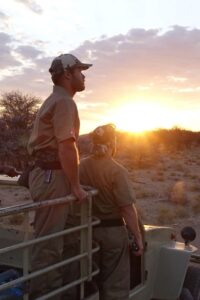
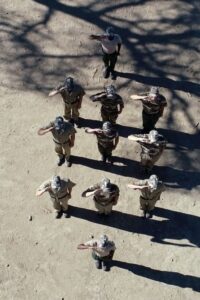
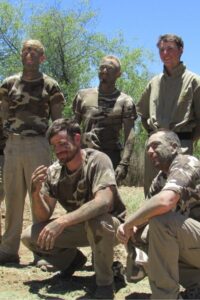
This unique volunteer experience combines hands-on wildlife protection, ranger training, and life in the untamed Namibian bush. You’ll learn real conservation and survival skills while supporting trained anti-poaching teams that protect rhinos, elephants, and other iconic species.
Volunteers begin their journey at a remote training base nestled among red dunes and acacia trees, before deploying to working wildlife reserves across Namibia. Here, you’ll actively patrol, observe, and protect rhino populations, a true once-in-a-lifetime conservation adventure.
Duration
2-12 Weeks
Minimum Age
18+
Start Dates
Once every second month
Fees From
$1,698 USD
UN SDGs
This program advances SDG 15: Life on Land by protecting endangered wildlife, restoring habitats, and supporting biodiversity across Namibia’s rhino custodianship reserves. It also contributes to SDG 13: Climate Action and SDG 8: Decent Work and Economic Growth through sustainable land management and local ranger training. Together, these efforts embody SDG 17: Partnerships for the Goals, bringing volunteers and communities together in a united mission to safeguard Namibia’s natural heritage.
What You'll Be Doing
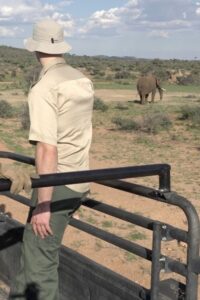
After an intensive 10-day ranger and anti-poaching training course, you’ll join operational teams on active rhino custodian farms across Namibia. Your role will vary daily, but may include:
- Conducting foot, horseback, or quad patrols to monitor wildlife and deter poachers.
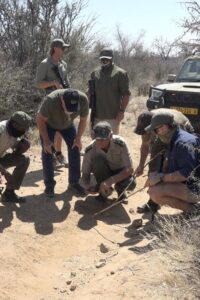
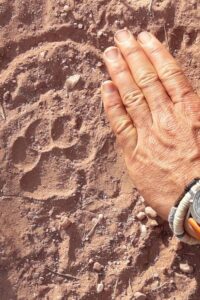
- Observing and recording rhino behaviour, spoor, and movements.
- Manning observation posts or control rooms to report unusual activity.
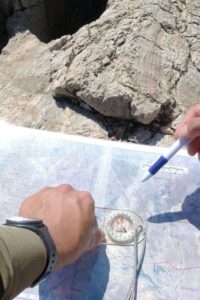
- Participating in radio communication drills, map reading, and navigation.
- Assisting with vehicle checkpoints and farm logistics.
- Helping maintain base camps and ensuring all operations run smoothly.
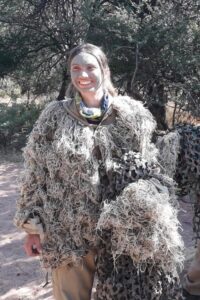
You’ll receive full training in conservation principles, bushcraft, survival, first aid, and field safety procedures before joining a team in the field.
Why It Matters
Illegal rhino poaching has driven the global black rhino population to the brink of extinction — from over 100,000 animals in the 1960s to fewer than 2,000 today. Namibia’s custodian program gives these animals a fighting chance by placing them on protected private lands under constant monitoring.
However, the sheer size of these protected areas and limited government funding mean that anti-poaching support is crucial. Your participation directly helps trained rangers keep watch over the last remaining wild rhinos, ensuring that future generations will still have the chance to see these majestic animals in the wild.
A Day in the Life
Your days will begin early with a team briefing, followed by patrols through the bush on foot or horseback. You’ll track rhino activity, check waterholes, and monitor wildlife movements.
Afternoons often involve observation duties, data logging, or assisting with camp upkeep.
Evenings are spent around the campfire beneath Namibia’s vast starlit skies, sharing stories with fellow volunteers, reflecting on the day’s achievements, and listening to the distant calls of jackals or the rustle of elephants passing nearby.
Your Impact
Every hour you spend on patrol strengthens the shield protecting Namibia’s rhinos. Your contribution:
- Provides critical manpower to support professional anti-poaching units.
- Reduces the risk of poaching incidents through visible presence and surveillance.
- Supports data collection and wildlife monitoring that informs conservation strategies.
- Helps fund the custodian program, directly aiding rhino protection efforts.
By the end of your placement, you’ll not only have gained rare skills but will have left a tangible mark on one of Africa’s most vital conservation missions.
Where You'll Be Staying
You’ll start at the base camp, located on the renowned Mount Etjo region, about 2.5 hours north of Windhoek. The camp is set within pristine wilderness, surrounded by acacia woodlands and savannah grasslands teeming with wildlife such as giraffe, zebra, and elephant.
After training, you’ll be stationed on one of several black rhino custodian farms across Namibia, each spanning between 10,000 and 70,000 hectares. Every location offers a different but equally breathtaking glimpse into the Namibian landscape.
Accommodation & Meals
During your training at the base camp, you’ll stay in comfortable shared chalets equipped with beds and basic furnishings. While in the field, you may sleep in simple bush accommodation or tents under the stars, offering a true ranger experience.
Three daily meals are provided, often featuring traditional Namibian flavours. Volunteers are encouraged to bring extra snacks and personal items, as supplies are limited in remote areas. Drinking water, cooking facilities, and laundry access are available at base camp.
Who Can Join
This program is open to volunteers aged 18–50 who are physically and mentally fit. No prior qualifications are needed, just a strong sense of purpose, a willingness to learn, and a love for the outdoors. The training is designed for people from all backgrounds, so you’ll quickly gain the confidence and skills needed to contribute effectively.
Intake dates run throughout the year, with placements lasting from 2 to 12 weeks.
Program Pricing
Your program fees directly support the operations of our local team in Namibia and the services we provide to ensure your experience is meaningful, safe, and well-supported.
Outreach Overseas Offer
- Pre-departure support
- Volunteer information pack
- Assistance with trip logistics
- Emergency assistance
- Program quality assurance
- Certificate of participation
What's Included
- Airport Transfers
- Shared accommodation
- Three meals per day
- Project transport
- Daily supervision and coordination
- Full ranger and anti-poaching training
What's Excluded
- Flights
- Travel & health insurance
- Visa fees
- Background check (if required)
- Personal spending money
- Excursions
All program fees exclude a one-time non-refundable $199 confirmation fee, which is payable upon acceptance into the program. Your remaining balance (program fees and any optional add-ons) is only due 60 days before your start date. This can be paid in instalments or as a lump sum.
| Duration | Program Fee |
|---|---|
| 2 Weeks | $1,499 |
| 3 Weeks | $1,919 |
| 4 Weeks | $2,559 |
| 5 Weeks | $2,799 |
| 6 Weeks | $3,359 |
| 7 Weeks | $3,919 |
| 8 Weeks | $4,479 |
| 9 Weeks | $4,229 |
| 10 Weeks | $4,699 |
| 11 Weeks | $5,169 |
| 12 Weeks | $5,639 |
Ready to Make a Real Impact?
Protect one of the world’s most endangered animals and experience life as a wildlife guardian in the heart of Namibia.
Whether you’re looking to build conservation experience, take on a meaningful adventure, or simply give back to nature, this program offers the opportunity to make every moment count.
Join the Rhino Protection & Anti-Poaching Volunteer Program today and stand with those safeguarding Africa’s last wild rhinos.
Good to Know Before You Go
What date should I arrive, and how do I get to the program location?
You’ll fly into Hosea Kutako International Airport (WDH) just outside Windhoek, Namibia’s capital. Volunteers should arrive on the official start date of their chosen intake, ideally before midday to allow time for group transfers. A member of the in-country team will meet you at the airport and transport you by road (approx. 2.5 hours) to the base camp. At the end of your placement, you’ll be dropped back at the airport or your accommodation in Windhoek for your onward journey.
What is the accommodation like and who will I be staying with?
During your training, you’ll stay in shared chalets which are comfortable, rustic, and fully immersed in nature. Rooms have beds, mattresses, and basic furnishings, and the camp offers shared bathrooms, a small swimming pool, a laundry area, and communal dining facilities. Once deployed to the field, accommodation may be in bush lodges or tents, depending on location.
Three meals a day are provided, and volunteers often gather around the fire after dinner to share stories beneath Namibia’s star-filled sky. There’s limited Wi-Fi, which adds to the off-grid adventure and helps everyone disconnect from screens and reconnect with nature.
What does a typical volunteer week look like?
Your first 10 days are dedicated to anti-poaching and wildlife ranger training, including field drills, patrol simulations, and practical lessons in navigation, tracking, and survival.
After training, you’ll join an operational farm team, where your week may include daily patrols, rhino monitoring, camp maintenance, and data collection.
Most days start early with a sunrise briefing, followed by fieldwork through the late morning. Afternoons are for observations, control-room duties, or rest before evening meals. Weekends are generally more relaxed, with opportunities to explore the surrounding area or unwind with fellow volunteers.
Are there any requirements to join this program?
The program welcomes volunteers aged 18–50 from all backgrounds. You’ll need a moderate level of fitness, as the work can be physically demanding and often involves hiking or riding in hot conditions. No previous conservation or ranger experience is required. All training is provided on-site. Volunteers should have a strong sense of teamwork, adaptability, and enthusiasm for wildlife protection.
Is it safe to volunteer and travel in Namibia?
Absolutely. Volunteer safety is a top priority. You’ll always work under the supervision of trained field officers and rangers, and volunteers are never placed in harm’s way. Base camp and all custodian farms are secure, with clear communication protocols and 24-hour radio contact.
The nearest medical facilities are accessible from all bases, and staff are first-aid trained. You’ll also receive a full safety briefing during orientation to ensure you feel confident and supported throughout your stay.
What vaccinations or health precautions should I take?
While there are no mandatory vaccinations required to enter Namibia or participate in the program, we recommend consulting your doctor or travel clinic before travelling. Common vaccines for Namibia include:
-
- Hepatitis A
- Tetanus
- Typhoid (optional, depending on travel plans)
- Polio
No COVID-19 or yellow fever vaccines are required unless you’re arriving from a country with a risk of yellow fever. The regions where you’ll be stationed are malaria-free, though malaria prophylaxis may be required if visiting other areas before or after your program.
Can I join with a friend, family member or partner?
Yes! Friends, couples, and groups are all welcome. Simply mention this when applying, and we’ll ensure you’re placed in the same accommodation and training group. Many volunteers also come solo, and the shared experience of bush life makes it easy to connect and form lasting friendships.
How much does it cost and what's included?
Program fees start from $1,499 for 2 weeks, including all essential program costs and the one-time non-refundable $199 confirmation deposit. Outreach Overseas keeps costs low by partnering directly with grassroots organisations and operating as a small, purpose-driven team. Our pricing supports both volunteers and the project on the ground.
Your fee includes:
- Accommodation in a shared volunteer house
- Three meals daily
- Airport pick-up and return transfer
- Full ranger and anti-poaching training
- Transport between base camps and project sites
- 24/7 in-country support
- Certificate of participation
Not included: flights, insurance, visa (if applicable), airport transfers, weekend excursions, and personal spending money.
Will I have time to travel or explore during my stay?
Although weekends follow the same routine as weekdays and volunteers remain on camp or custodian farms, there’s still plenty of downtime each day to relax and enjoy the surroundings. You can spend your free time reading, writing, bird watching, joining patrols, or observing wildlife at nearby waterholes. There are occasional short town trips to restock essentials, and if you’d like to explore more of Namibia, such as Etosha National Park or Swakopmund’s dunes, this can easily be arranged before or after your placement.
When is the best time of year to join this program?
Namibia is a year-round destination. The dry season (May–October) offers mild temperatures, clear skies, and the best wildlife sightings as animals gather around waterholes. The wet season (November–April) brings lush green scenery and cooler mornings, perfect for photography and birdwatching.
Each season has its own charm, but for the most comfortable conditions and best visibility for patrols, June to September is ideal.
How to Apply
Step 1: Choose Your Program
Explore our programs and find the one that fits your passion and goals.
Step 2: Submit an Application
Complete our quick and easy online application form to start the process.
Step 3: Confirm Your Spot
Pay your $199 confirmation deposit upon your acceptance.
Step 4: Make an Impact
Travel to your destination, join your team, and begin your volunteer journey.
Explore Similar Volunteer Opportunities
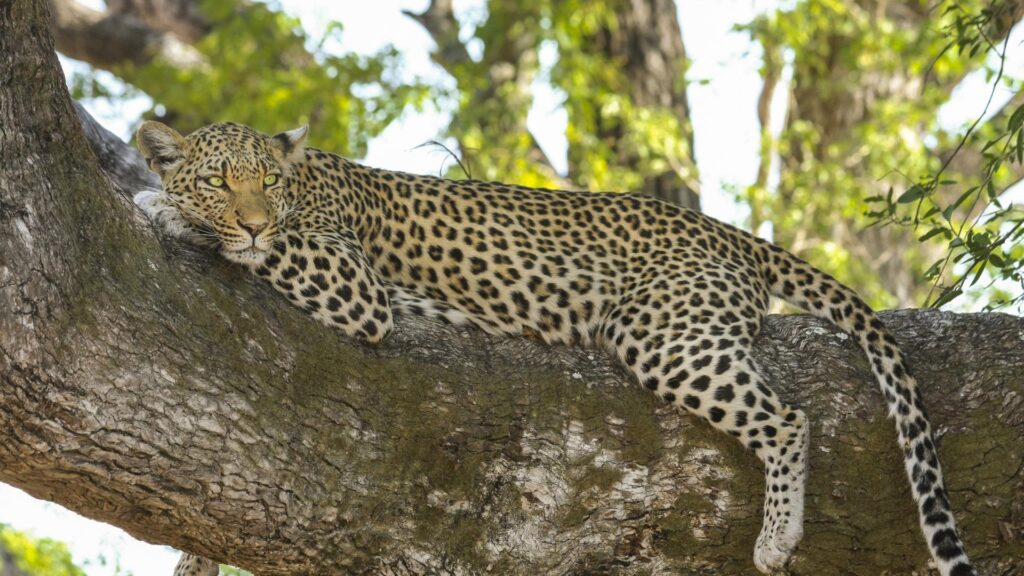
Big Cat Conservation Sanctuary
- 2-12 Weeks
- 18+
- $1,378 USD
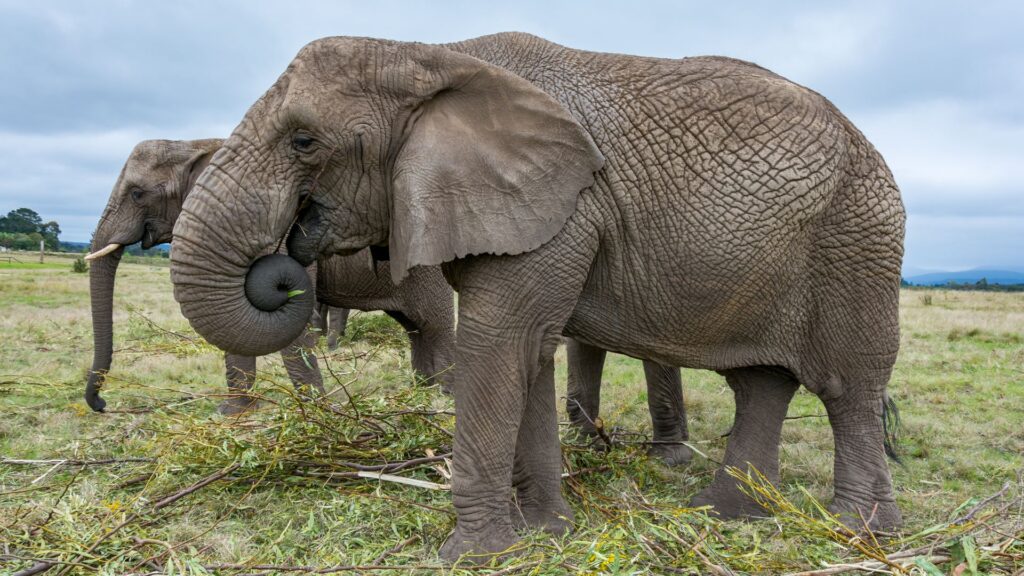
Elephant Conservation & Research
- 1-12 Weeks
- 18+
- $674 USD
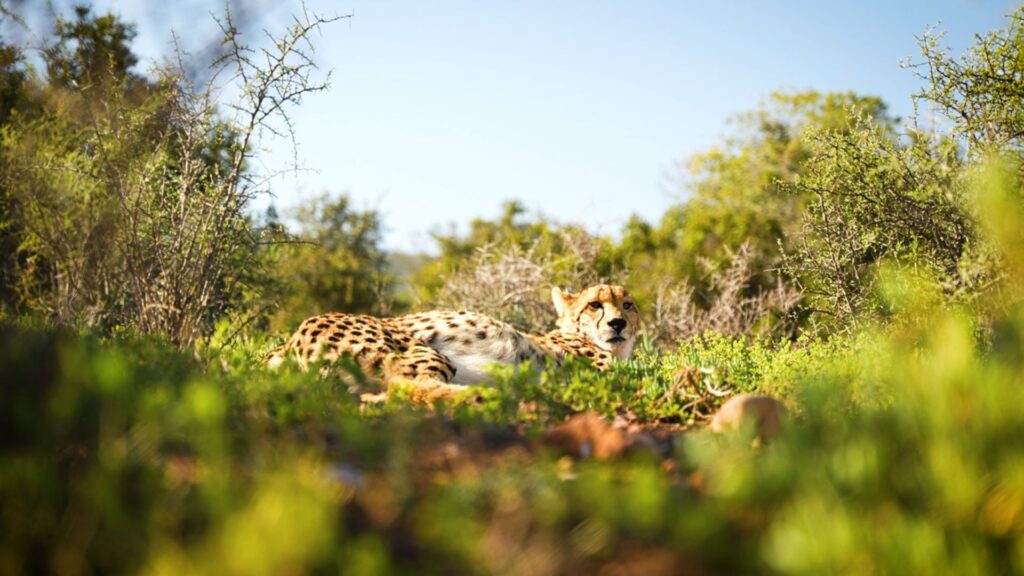
Wildlife Conservation
- 2-12 Weeks
- 18+
- $1,264 USD
Stay in the Loop
Want to know when new destinations and programs launch? Sign up for updates and be the first to hear about our opportunities to travel with purpose.